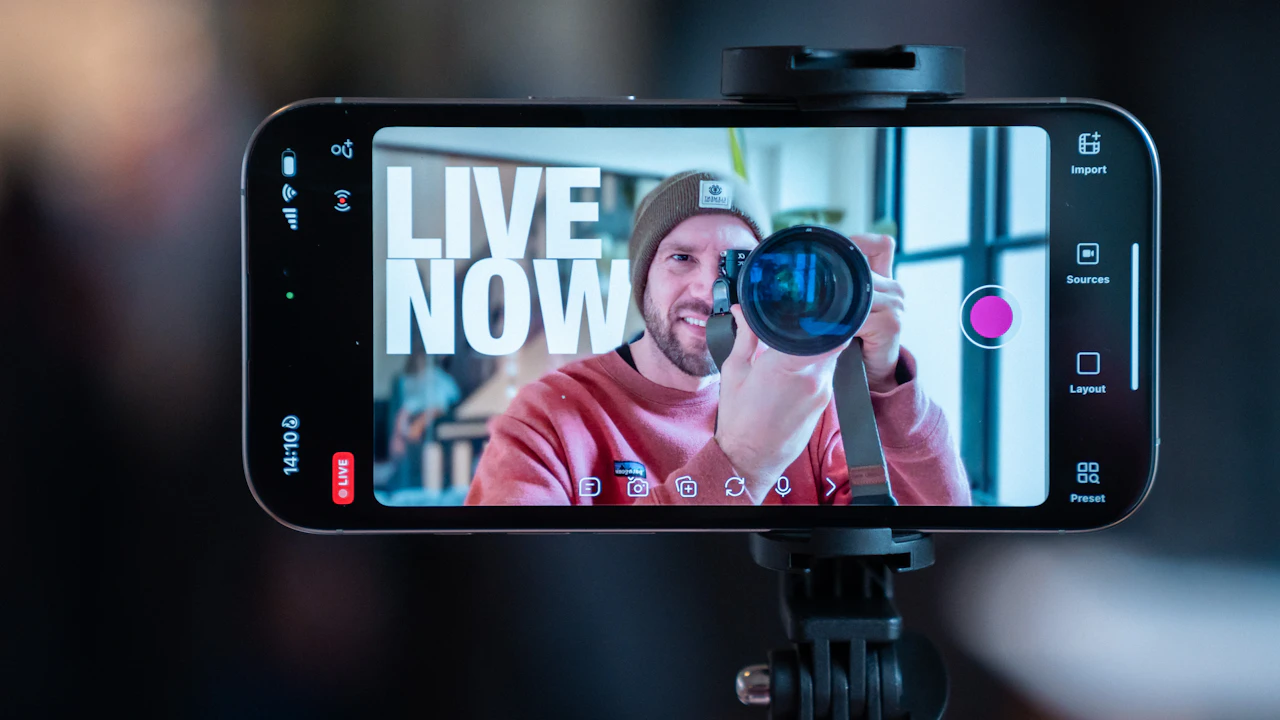
A UGC creator produces product-led content for a brand to use in its own marketing, usually without needing a large audience or publishing the asset on their profile. An influencer partnership also buys access to the creator's audience. Organic customer UGC is different again because the customer creates it independently. Real campaigns can combine production, posting, affiliate activity, and paid amplification.
What is a UGC creator? In current brand-side marketing, the term usually describes a person hired to create customer-style product content for the brand's channels or advertising. The creator is paid for production and the agreed usage, not automatically for reach to their own followers.
The label is messy because “UGC” originally meant content created organically by users, while commissioned UGC is a commercial production relationship. Brands, creators, marketplaces, and platforms sometimes use the same word for different jobs. The practical fix is to define what is being produced, who publishes it, and which rights or audience access the brand is buying.
What does a UGC creator do?
A UGC creator plans, films, performs, and edits product-led photos or videos that resemble native social content. Common deliverables include demonstrations, reviews, tutorials, routines, unboxings, testimonials, voiceovers, hooks, and raw clips. The brand typically publishes or advertises the approved asset under a defined license.
The creator may work from a brand brief, develop the concept, or combine both. They need enough product knowledge to communicate accurate facts and enough production skill to make the required format usable. They do not need celebrity status or a large following when the job is content-only.
A UGC creator is still a professional content creator. “Authentic-looking” should not mean misleading. Commercial content should reflect honest product experience, supported claims, and the required disclosures.
See the UGC video examples guide for nine common production formats and the message job each format is best suited to handle.
Organic customer UGC and commissioned UGC are different
Organic UGC is created independently by a customer or user. Commissioned UGC is produced under a commercial arrangement with a creator. Both can look native to social feeds, but the brand's control, payment, rights, approval, and disclosure responsibilities are different.
A customer may post an unsolicited review, photo, or video because they chose to share an experience. The brand must still obtain appropriate permission before reusing that content beyond the platform features and rights already available.
A commissioned creator receives a brief and compensation or another material benefit. The agreement should define the deliverables, payment, revisions, usage, and disclosure. Do not present a paid creator testimonial as an independent customer statement.
The FTC's endorsement guidance explains that material relationships and honest endorsement principles apply across social media and reviews.
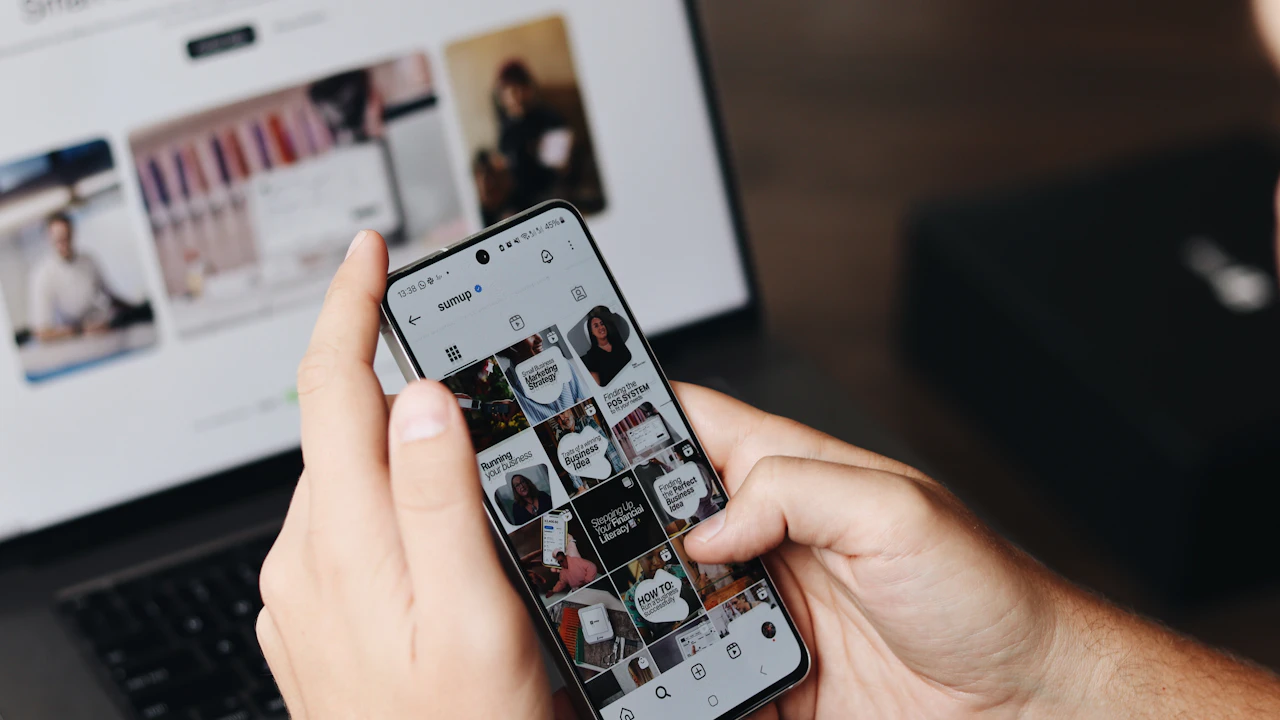
UGC creators vs influencers: what is the difference?
UGC creators are primarily hired for content production. Influencers are hired for content plus access to an audience they have built. The same person can do both jobs, but the brief, screening criteria, pricing inputs, distribution, rights, and measurement should identify which value the brand is buying.
| Question | UGC creator engagement | Influencer engagement |
|---|---|---|
| Primary value | Creative asset production. | Audience distribution plus content. |
| Who normally publishes? | The brand, advertiser, or another agreed channel. | The creator publishes to their profile; brand usage may be added. |
| Does follower count matter? | Not necessarily for content-only work. | Audience size, relevance, and quality affect the deal. |
| Main screening | Production skill, product fit, proof, process reliability. | Audience fit, reach, engagement quality, sponsored history, plus production. |
| Pricing inputs | Scope, complexity, variants, rights, turnaround. | Scope, audience distribution, platform, exclusivity, rights. |
| Measurement | Asset approval, usability, testing and channel performance. | Reach, engagement, traffic, tracked actions, and content performance. |
TikTok describes its Creator Marketplace as an official platform for brand-creator collaborations. Marketplace and platform language often uses “creator” broadly, so the contract still needs to state whether publishing and audience distribution are included.
Choose a UGC creator when the bottleneck is creative production
Use a UGC creator when your brand needs more product demonstrations, paid-social concepts, hook variations, landing-page assets, email creative, app walkthroughs, or organic brand posts. Screen for the ability to execute the brief rather than using follower count as a proxy for production skill.
Content-only sourcing gives the brand control over where the asset is published, subject to the agreed license. It also makes it easier to test several creators, angles, or formats without requiring each person to own a large audience.
Screen the portfolio for the exact production job. A creator who makes strong beauty routines may not be right for a technical app walkthrough, and a polished studio creator may not fit a brief that requires a natural home setting. Look for repeatable evidence rather than one impressive clip.
Contactability and process matter too. Confirm a legitimate business route, availability, product delivery, rate context, feedback expectations, and the creator's ability to provide the required files. Content skill without a workable production process can still derail an assignment.
Start with the UGC creator platform workflow and a clear creator screening checklist. Confirm product fit, recent examples, contact quality, availability, rate, rights, and review process before hiring.
Choose an influencer when the bottleneck is distribution
Use an influencer when the campaign needs access to a specific audience, community, or creator identity. Review audience relevance and quality, historic sponsored content, platform fit, reach, engagement, brand safety, and measurement. Then define any brand reuse separately.
An influencer can also be an excellent UGC producer. The distinction is the transaction: if the creator must publish to their own audience, the brand is buying distribution as well as production. The fee, exclusivity, disclosure, approval, and reporting should reflect both.
Review whether the audience overlaps the campaign buyer, how recent sponsored work fits the creator's normal content, and which platform metrics can be shared. A large follower count without a relevant audience or credible integration is not a distribution strategy.
Decide whether the post must remain live for a minimum period, whether the brand needs a link or code, and whether comments require moderation. These requirements affect the scope before the brand requests any additional reuse.
Instagram defines branded content as creator or publisher content influenced by a business partner in exchange for value and requires use of its paid-partnership labeling in covered scenarios. Platform labels complement, rather than replace, clear disclosure required by applicable law.
Combine UGC and influencer work when the campaign needs both
A campaign can commission an asset, require the creator to publish it, grant the brand additional usage, and authorize paid amplification through the creator's handle. Treat each component as a separate deliverable or right so the scope and compensation remain clear.
- Production: concepts, filming, editing, formats, variants, and revisions.
- Creator posting: platform, post type, date, caption, link or code, and reporting.
- Brand usage: channels, organic or paid use, term, territory, and editing.
- Creator-handle ads: authorization, platform, term, access, moderation, and revocation process.
- Exclusivity: competitor category and duration.
A simple decision process
First ask who needs to publish the asset. If only the brand will publish it, start with a content-production scope. If the creator must publish it, add the audience and sponsored-post requirements.
Next ask whether the brand will advertise the content. If yes, define the paid channels, term, editing permission, and renewal. Then decide whether ads will run from the brand account or through the creator's identity.
Finally, list any raw footage, variants, reporting, affiliate, or exclusivity needs. This sequence turns a vague “UGC campaign” into production, distribution, and rights decisions that creators can price.
Use the UGC campaign ROI calculator to compare cost per usable asset with cost per sponsored post before requesting quotes.
Write the brief and rate request around the actual model
Do not use “UGC” as a shortcut for an undefined deal. State whether the creator must post, whether the brand will run paid media, how long the content may be used, whether raw footage or edits are included, and which performance or delivery information the creator must provide.
A content-only creator should not discover after filming that the brand expected a sponsored post. An influencer should not discover after publishing that the brand assumed perpetual advertising rights. The UGC brief guide and UGC rates guide turn those assumptions into explicit fields.
Regardless of the model, claims need support and endorsements need honest experience. TikTok's commercial-content quality standard highlights authenticity, actual product use, and useful product understanding as quality dimensions.
Conclusion
A UGC creator is hired primarily to make a usable asset; an influencer is hired for content and audience distribution. The same person can perform either or both roles, so define the transaction rather than judging by the label. Specify who publishes, which rights are included, how the creator is screened, and what the brand will measure. For the short definition on its own, see UGC creator in our glossary. Compare the two buying models or choose Start free to source creators from a clear brief.
Frequently asked questions
What is a UGC creator?
A UGC creator is a person hired to produce product-led photos or videos that a brand can use under an agreed license. The creator usually does not need to publish the asset or have a large audience unless distribution is part of the deal.
Is a UGC creator the same as an influencer?
No, although one person can do both jobs. A UGC engagement primarily buys production, while an influencer engagement also buys access to the creator's audience.
Do UGC creators post content on their own accounts?
Sometimes, but it should be an explicit deliverable. Content-only UGC is commonly delivered to the brand, while creator posting adds audience distribution, disclosure, timing, and pricing considerations.
Do brands own content made by UGC creators?
Not automatically. Ownership or licensing depends on the written agreement. Define channels, paid or organic use, term, territory, editing, raw footage, and renewal before production.
How should a brand choose between UGC and influencer marketing?
Choose based on the bottleneck. Use UGC creators for creative production, influencers for access to a relevant audience, and a combined deal when the campaign needs both production and distribution.