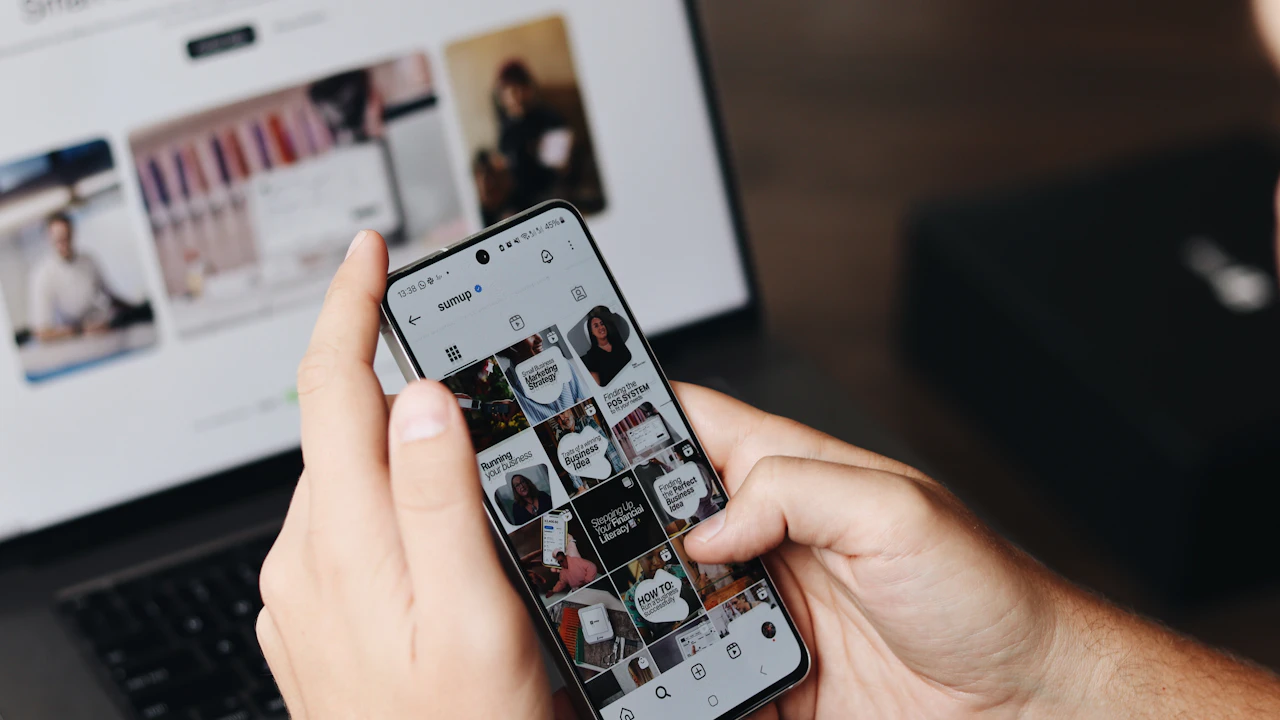
To find Instagram UGC creators, define the content job, then search creator phrases, niche terms, Reels, tagged posts, collaboration evidence, portfolios, applications, referrals, and creator tools. Review several recent Reels for hook, delivery, product use, audio, framing, captions, and customer fit. Verify the public contact route, record evidence, and confirm rates, rights, disclosure, availability, and partnership-ad permissions directly.
Instagram UGC creators are easy to discover badly. A search for a broad hashtag can produce polished profiles that are outside the shipping region, no longer active, missing a business contact, or skilled in a format the campaign does not need. A relevant bio is only a lead; recent work is the evidence.
This guide focuses on Instagram-specific discovery and review. It covers search language, Reels, collaboration signals, public contacts, portfolios, paid-partnership workflows, and a shortlist your team can audit. Use Instagram's current Help Center and Ads Manager guidance at launch because creator-marketplace access, partnership-ad eligibility, and platform controls can change.
Treat every saved profile as a dated research record. Recheck current content, availability, contact details, and account eligibility before outreach or contracting.
What is an Instagram UGC creator?
An Instagram UGC creator produces customer-style photos or videos, often Reels, for brands to publish or advertise. The creator may also post to their own Instagram audience, but that is a separate distribution service. Production skill, usage rights, and audience access should be scoped and priced independently.
For brand-owned content, review whether the creator can show the product, speak to the target customer, follow a brief, and deliver usable files. Follower count becomes more important when the campaign also buys a post, partnership ad, affiliate distribution, or another form of creator-owned reach.
Do not confuse organic customer posts with commissioned creator work. A public Instagram post is not permission for a brand to download, edit, repost, or advertise it. Request permission or commission new content and document the intended use.
The UGC creator guide explains the differences among paid creators, organic customer content, and influencers before you choose a sourcing model.
Define the Instagram content job before searching
Write the platform, placement, audience, product use case, format, country, language, setting, deadline, contact requirement, posting expectation, paid-ad plan, and disqualifiers before opening Instagram. Separate mandatory criteria from preferences so discovery stays broad enough to find people while screening remains consistent.
Name the asset: product demonstration Reel, testimonial-style video, tutorial, routine, Story frames, product photography, creator-posted Reel, or partnership-ad creative. Each format requires different evidence. A strong still-life portfolio does not prove on-camera delivery; an entertaining Reel does not prove technical product explanation.
Write the customer situation and proof required. A travel product may need a specific location; an app may need screen recording on the right device; a pet product needs credible access to the animal and setting. Do not infer sensitive traits from appearance or names. Ask for relevant information directly when a legitimate campaign need exists.
Decide how the asset will move after delivery. A Reel licensed for an organic brand account has a different operational scope from a creator-posted Reel, a partnership ad, a Story sequence, or a cutdown used on a product page. Put the intended route in the sourcing brief so candidates can assess fit and price the real assignment.
Create a review capacity and shortlist target. Public profiles can be stale, unavailable, duplicated, outside the region, or represented by management. Plan for uncertainty without inventing a universal contact or booking rate.
How to find Instagram UGC creators
Search several surfaces and query types: niche plus UGC creator language, customer problems, content formats, location terms, relevant Reels, tagged brand posts, collaboration evidence, portfolio links, applications, referrals, and Instagram's creator marketplace where available. Save the exact source that made each profile relevant.
Search creator and niche language
Combine the category with phrases creators use in bios or captions, such as UGC creator, product demo, portfolio, content creator, or a relevant format. Try synonyms because creators do not use one standardized label. A query such as skincare routine UGC creator is more specific than a generic UGC hashtag.
Review Reels and recommended profiles
Open relevant Reels, then inspect the creator's recent grid and linked portfolio. Recommendations can broaden the pool, but they are discovery prompts rather than endorsements. Keep the source Reel URL so a reviewer sees the evidence that triggered the lead.
Inspect tagged posts and collaboration evidence
Search relevant brand tags, product mentions, and public collaboration posts. A mention can show category familiarity, but do not assume it was a paid campaign. Record the post and label the relationship unknown unless the evidence states otherwise.
Use managed and first-pass tools
Meta describes its Instagram creator marketplace as a creator discovery and partnership-ad workflow available within its business products. Coverage and access vary. For broader public-profile discovery, use the free Instagram UGC creator finder.

Vet recent Reels, portfolio evidence, and contact quality
Review several recent and relevant examples for opening clarity, natural delivery, product visibility, credible use, audio, framing, captions, editing, format range, customer fit, and obvious policy risk. Then verify the contact route and portfolio ownership. Mark missing or ambiguous evidence for manual review instead of guessing.
Start with the skill the brief requires. A creator may have excellent lifestyle Reels but no evidence of close-up product demonstration, app walkthroughs, or direct-to-camera explanation. Review enough examples to decide whether the required execution appears repeatable.
Check that the profile, portfolio, display name, linked website, and contact route appear to belong to the same creator or legitimate representative. A custom-domain email may be creator-owned, agency-managed, or unknown. Record the source rather than flattening every address into one email found field.
Use pass, manual review, and reject. Apply the 24-point screening checklist and save the profile URL, sample URL, contact source, review date, fit notes, unknowns, and decision owner.
Plan Instagram posting, partnership ads, and disclosure
If the creator posts, define the format, account, caption, tags, disclosure, date, live period, insights, comments, and brand approval. If the brand will run partnership ads, confirm that both accounts and the content meet current eligibility and permission requirements. Put commercial scope in the agreement as well as the platform workflow.
Meta says branded-content ads are now called partnership ads and lists current eligibility requirements for professional accounts, content surfaces, policy compliance, and established presence. Verify eligibility before making the ad identity essential to the campaign.
Instagram's branded-content guidance states that exchanges of value, including covered gifted or affiliate relationships, require its paid-partnership label. Applicable laws can require additional clear disclosure.
Define the license, channels, paid term, territory, edits, raw footage, creator-handle use, exclusivity, and renewal using the UGC usage rights guide. Platform permission is not a replacement for the commercial agreement.
Outreach, hire, and maintain an Instagram creator roster
Contact creators through their stated business route with a concise paid opportunity. Identify the brand, explain the evidence-based fit, summarize deliverables and timing, state paid or gifted status, and ask for one next step. Track replies, availability, rates, rights, samples, contracts, delivery, and reusable relationship notes.
Personalize from real public evidence. Mention the specific Reel format or product-demonstration skill that fits the assignment, not a generic compliment. Keep the first message short and move private details into an appropriate business channel.
Before hiring, agree on compensation, deliverables, product shipping, usage, posting, partnership-ad permissions, revisions, disclosure, deadline, payment, and cancellation. The hire UGC creators guide covers the commercial handoff after discovery.
After the campaign, separate operational notes from performance. Record whether the creator was reachable, clear, available, and reliable, but do not treat those signals as proof of future ad results. Keep evidence dates because profiles, portfolios, and contact routes change.
When repeated manual discovery becomes the bottleneck, Start free and describe the Instagram and TikTok creators you need in plain English.
Conclusion
A useful Instagram shortlist is built from a clear content job and recent evidence. Search more than one surface, review the exact production skills, verify the public contact route, and keep unknowns visible. Then confirm rates, rights, disclosure, and partnership-ad permissions in writing. Use the free Instagram creator finder for a first pass, or run a full brief-driven search inside UGC Agent.
Frequently asked questions
How do I find UGC creators on Instagram?
Search niche and format phrases, creator language, relevant Reels, tagged brand posts, collaboration evidence, portfolios, applications, referrals, and creator tools. Save the source Reel or post that supports each lead.
Do Instagram UGC creators need many followers?
Not when the brand is buying production for its own channels. Audience size and quality matter more when the creator must publish, provide partnership-ad identity, or support affiliate distribution.
What should brands check on an Instagram creator profile?
Review several recent Reels, portfolio ownership, product-demonstration skill, delivery, audio, framing, captions, customer fit, contact source, activity, disclosures, and obvious policy conflicts relevant to the campaign.
Can brands advertise a creator's Instagram Reel?
Only with the required agreement, usage rights, and current Meta permissions and eligibility. Define the content, account, paid-use term, territory, edits, disclosure, and what happens if permission or the post becomes unavailable.
How should brands contact Instagram UGC creators?
Use the creator's stated business email or DM preference. Identify the brand, explain why a specific public work sample fits, summarize the paid opportunity, and ask for one simple next step.