Overgrow emailed 225 creator leads sourced with UGC Agent and reported 99 replies, a 44% reply rate. Thirty-four creators asked for the brief or sent a quote, while 65 declined. The customer reported all 225 addresses as deliverable with no bounces. This was paid creator outreach, not cold B2B sales, and one campaign should not be treated as a universal benchmark.
A creator outreach reply rate only becomes useful when you can see the denominator, the definition of a reply, and the campaign context. Overgrow supplied all three. The team emailed 225 UGC creator leads sourced with UGC Agent and reported 99 replies, including 34 creators who wanted the brief or sent a quote.
The result first appeared in our July 16, 2026 announcement. This article preserves the original result while adding the operational context a brand needs before comparing it with another campaign. The useful lesson is not that every creator campaign should hit 44%. It is that list quality can be tested only after the list reaches real inboxes.
What happened in Overgrow's creator outreach campaign?
Overgrow sent paid creator outreach to 225 leads sourced with UGC Agent. The company reported 99 replies, which produces a 44% reply rate, and 34 active conversations with creators who requested the campaign brief or sent a quote.
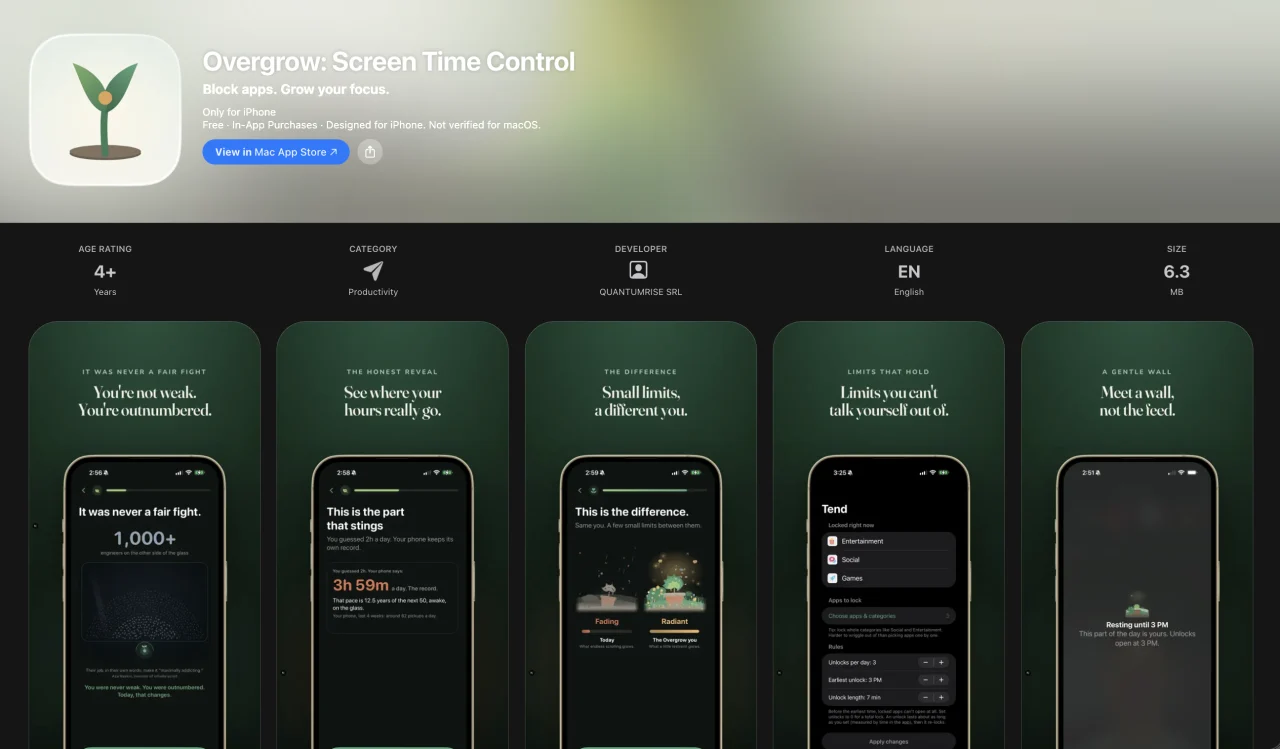
Overgrow is a B2C screen-time control app. The team needed creators who could produce paid UGC for the product, so it took a list of 225 creator leads from UGC Agent and contacted them by email.
The customer reported three outcome groups: 34 active conversations, 65 replies from creators who passed, and 126 addresses that had not produced a reply at the time of reporting. The first two groups add up to 99 total replies.
That distinction matters. A reply is not the same as a positive reply, an accepted brief, a signed agreement, or a delivered video. The strongest commercial signal in this result is the group of 34 creators who moved into an actual campaign conversation.
From 225 creator emails to a 44% reply rate
The calculation is straightforward: 99 replies divided by 225 sent emails equals 44%. Overgrow reported the result after its campaign, along with the number of creators who actively engaged.
What counted as an active conversation
The 34 active conversations were creators who asked for the brief or supplied a quote. That is a more useful operating stage than a generic reply because it gives the brand a defined next action: send scope, review price, and decide whether the creator fits the campaign.
What happened to the other replies
Another 65 creators replied and passed. A clear decline still has value. It closes the loop, keeps the pipeline accurate, and prevents a follow-up sequence from continuing after the creator has said no.
For your own campaign, track replies by outcome rather than reporting one blended rate. Interested, needs more information, unavailable, declined, out of office, invalid contact, and no response lead to different next steps.
Why deliverability mattered before response rate
A reply-rate calculation assumes the message reached a working inbox. Overgrow reported that all 225 addresses were deliverable and that the campaign recorded no bounces. That does not guarantee future deliverability, but it removes one obvious source of noise from this campaign's denominator.
A large creator list can look impressive while hiding invalid, outdated, or unrelated contacts. If a meaningful share bounces, the team is not testing its offer or brief. It is testing the age and quality of the contact data.
Overgrow's result gives us a cleaner read because the customer reported no bounces. It still does not tell us that every address will remain valid, that every future campaign will reach the inbox, or that all creator categories behave the same way.
Before outreach, use a consistent creator screening checklist and confirm that the email belongs to the creator or an appropriate representative. Keep suppression, opt-out, and bounce handling in the sending workflow.
What brands can learn from the campaign
Treat the list as an input, not the result
A row in a spreadsheet is not a campaign outcome. The list becomes useful when the contact is valid, the creator is relevant enough to answer, and the conversation can move into a brief, quote, review, and agreement.
This is why creator sourcing and creator hiring need separate metrics. Sourcing metrics cover profile fit, contact availability, deduplication, and list quality. Hiring metrics cover replies, interest, quotes, agreements, delivery, and the performance of any finished content.
Keep paid creator outreach separate from cold B2B benchmarks
The recipients were being offered paid work. That is materially different from asking a business prospect to buy software or book a sales call. Comparing the rates as if they were the same channel would create a false benchmark.
Use the brand-side creator outreach process to define the opportunity clearly, then classify every response. If you need a first draft, the creator outreach email generator can structure the brand, scope, compensation context, and next-step ask.
What this result does not prove
This campaign does not establish a normal creator reply rate, guarantee a result for another brand, or show how many conversations became contracted creators or live content. It is one customer-reported paid outreach result with a clear denominator and stated campaign context.
Campaign outcomes vary with the offer, category, creator fit, sender reputation, message, timing, region, compensation, and follow-up. A list that performs well for a consumer app may behave differently for skincare, travel, food, or a local service.
The result also stops at the conversation stage. A positive reply still needs a human to review the creator, agree on deliverables and usage rights, confirm compensation, provide the brief, and manage production.
For the full customer context, including the attributed quote and campaign breakdown, read the Overgrow customer story. It keeps the claim tied to the company that reported it and avoids turning a single result into a promise.
How to benchmark your own creator outreach
Build a benchmark from your own campaigns before adopting someone else's reply rate. Keep the offer type, creator cohort, sender, campaign window, and response definitions consistent enough that one send can be compared with the next.
Start by defining the denominator. Record the number of unique creators selected, reviewed, delivered to the sending tool, accepted by the provider, and actually sent. If 250 records enter the workflow but only 220 messages send, calculate reply rate from 220, then keep the 30 skipped records in a separate import-quality metric.
Define reply outcomes before the campaign begins. A practical set is interested, asks for details, quote received, unavailable now, declined, wrong contact, automatic reply, opt-out, and unclear. Decide which outcomes count as positive and preserve the raw categories so the team can change the rollup later without re-reading every thread.
Keep cohorts separate when the conditions change. Do not blend paid opportunities with gifting, US creators with several regions, or an established consumer brand with a product nobody recognizes. These are different offers. A blended average hides the part of the workflow that needs attention.
Review rates together rather than celebrating one number. Delivery rate tests contact quality. Reply rate tests reach and message relevance. Positive-reply rate tests opportunity fit. Quote, contract, delivery, and approval rates test the later commercial process. No single metric can explain the full campaign.
Finally, save the exact copy, send dates, follow-up cadence, compensation framing, and selection criteria beside the results. A benchmark is useful only when the next operator can reproduce the comparison. The goal is not to beat Overgrow's 44%. It is to learn which list and offer produce better outcomes for your own brand without weakening creator fit or outreach quality.
Conclusion
Overgrow's result is useful because the inputs and limits are visible: 225 creator emails, 99 replies, 34 active conversations, and no reported bounces. The operational lesson is simple. Build a relevant list, verify the contact route, make the paid opportunity clear, and track replies by outcome. Then keep the sourcing result separate from contracts and content performance. Read the full Overgrow story, or Start free to build a creator list for your own brief.
Frequently asked questions
What creator outreach reply rate did Overgrow report?
Overgrow reported 99 replies from 225 creator emails, which equals a 44% reply rate. The company also reported 34 active conversations with creators who requested the brief or sent a quote.
Did all 99 replies show interest?
No. Thirty-four creators actively engaged with the opportunity. Another 65 replied and passed, so the total reply count should not be presented as 99 interested creators.
Did the campaign have any bounced emails?
Overgrow reported that all 225 addresses were deliverable and that the campaign recorded no bounces. That statement applies to this reported campaign, not every future list or send.
Is a 44% reply rate normal for creator outreach?
This result should not be treated as a universal benchmark. It was paid creator outreach, and outcomes vary with the offer, creator fit, category, sender, message, timing, and campaign conditions.
What happens after a creator replies positively?
The brand still needs to review fit, share or refine the brief, compare the quote, agree on deliverables and usage rights, contract the creator, and manage production and approval.